-Deepika, Namitha N.K. and Anita Tomar
Introduction
Among the trees of the Indian subcontinent, Shisham (Dalbergia sissoo Roxb.) holds a special place. Known for its valuable timber, adaptability and importance in agroforestry and plantations, Shisham is a familiar tree across northern India. It is a deciduous tree belonging to the family Fabaceae and is naturally associated with the sub-Himalayan region and riverine and alluvial habitats. It can grow on a wide range of soils, including sandy and gravelly soils as well as the rich alluvial soils of riverbanks.
A mature Shisham tree may appear to be a simple part of the landscape, but its continuation begins with a small and easily overlooked structure—the seed. The journey from a mature tree to a new generation involves several important stages: selection of the seed source, collection of mature pods, seed extraction and processing, storage, germination and finally establishment of healthy seedlings.
Reproductive Phenology: Flowering and Fruiting
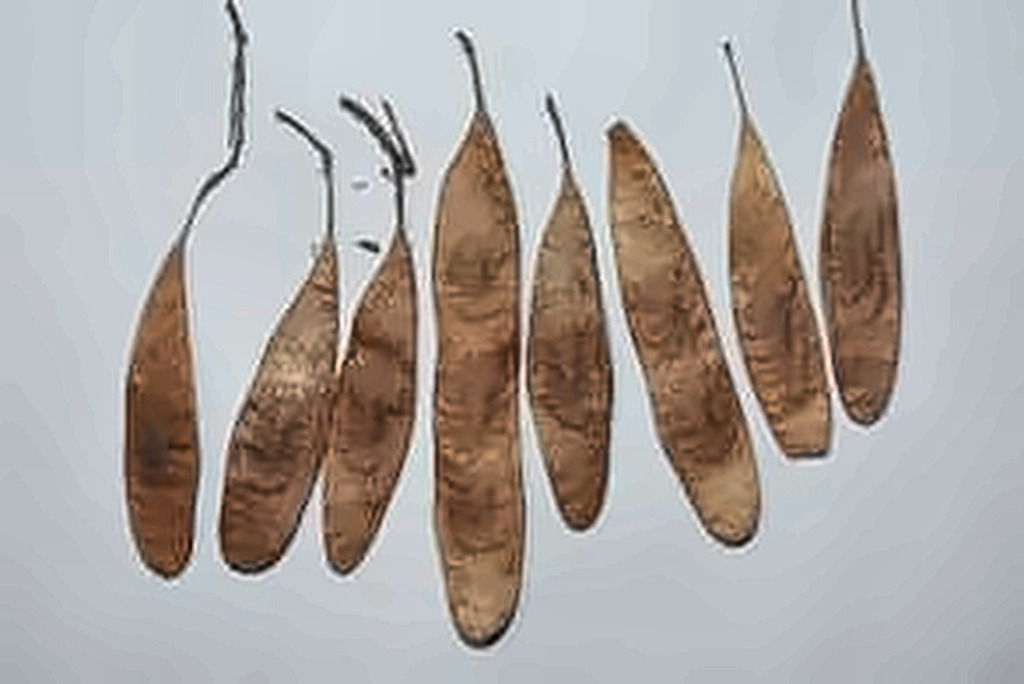
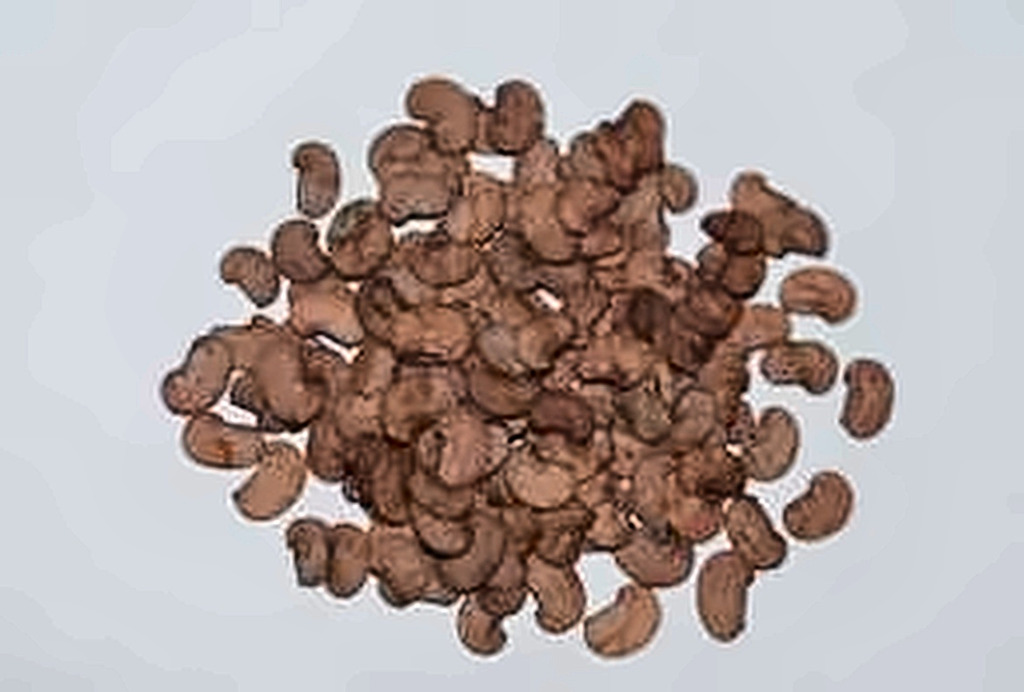
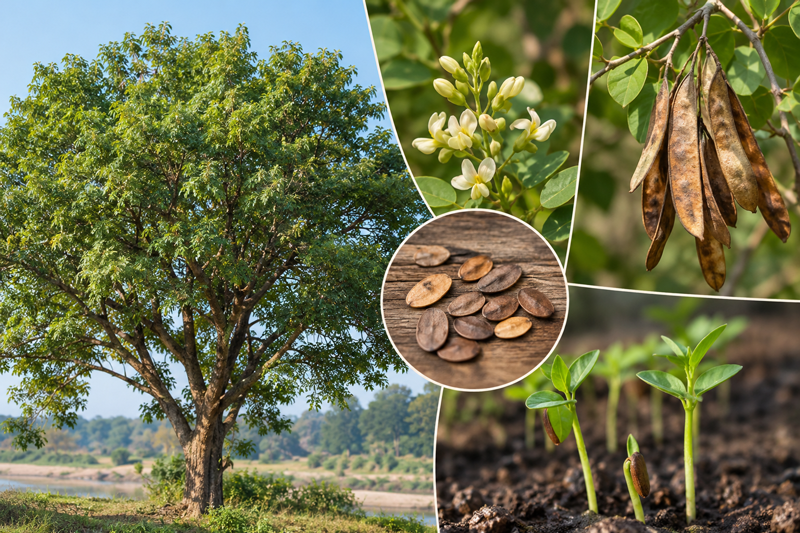
Shisham produces small, fragrant, yellowish-white hermaphrodite flowers, Occurs from February to April. The pods are flat, oblong, thin, light brown, indehiscent pods and contain about 1 to 4 flat, kidney-shaped seeds. Seed production begins at a relatively young age, but for obtaining quality planting material, seeds are preferably collected from healthy, vigorously growing, middle-aged trees with straight and clean stems.
The maturity and collection period are important because seed quality is closely related to the stage at which the fruits are harvested. In northern Indian conditions, Shisham pods generally mature towards the end of the year, and ICFRE recommends seed collection from December to mid-February. Mature pods are collected from selected trees and brought for processing.
Extraction
Shisham seeds occur inside dry, flat pods. After collection, the pods are dried, generally under sunlight, and cleaned to remove leaves, twigs and other unwanted material.
Seeds can then be separated manually from the pods. The species is classified as having orthodox seeds, meaning that its seeds can tolerate drying and can be stored under suitable conditions.
The seed itself is small, flat and light brown. Average seed length of about 0.8 cm. there are roughly 25,000 seeds per kilogram.
Germination
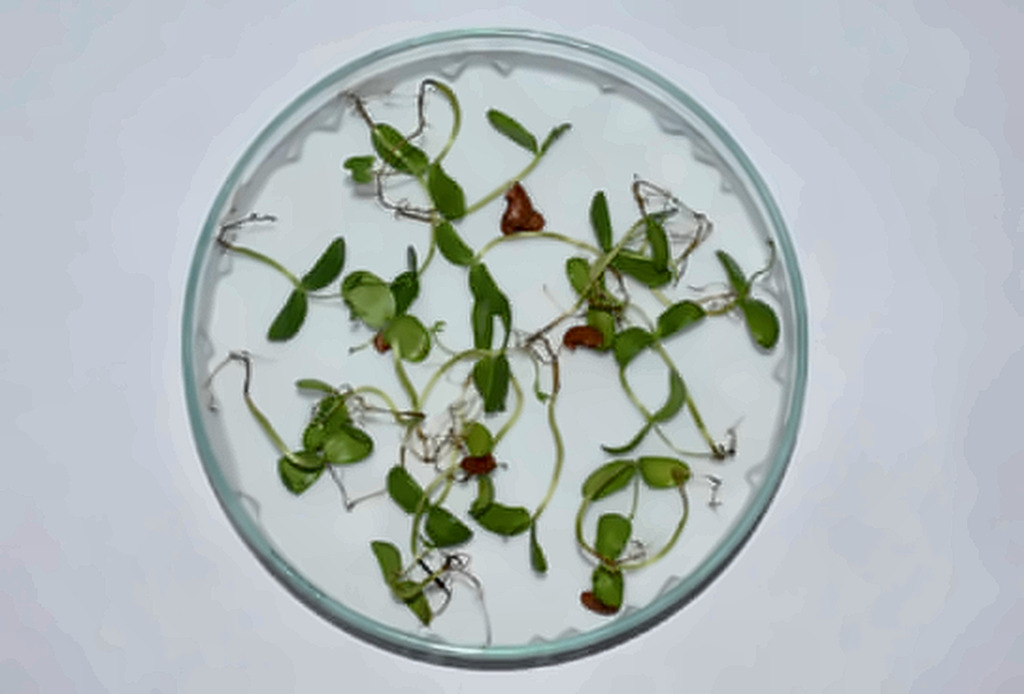
Shisham is considered relatively easy to germinate because its seeds generally do not exhibit a strong dormancy barrier. It displays epigeal germination. Under controlled conditions, seed lots yield a high germination capacity ranging from 70% to 90%. Radicle and cotyledon emergence typically initiates within 8 to 15 days post-sowing.
Pretreatment is not essential for Shisham seeds. However, soaking seeds in water for approximately 12–24 hours before sowing can accelerate germination. This simple treatment allows the seed to take up water and can help initiate the physiological processes associated with germination. Germination begins within about 2–3 days under suitable conditions
Storage
For orthodox storage, harvested pods or cleaned seeds must undergo sun-drying to reduce seed moisture to safe thresholds. Stored in hermetic containers or gunny bags within cool, dry environments, seed viability is reliably maintained for 1 to 2 years.
Uses
- Timber: Its timber is among the most valuable hardwoods used in India. The wood is attractive, durable and suitable for a wide range of applications, including furniture, cabinets, doors and windows, flooring, paneling, plywood, tool handles, boat building and ornamental work.
- Reforestation & Agroforestry: Widely used in social forestry, roadside avenues, and windbreaks due to its rapid early growth and nitrogen-fixing root nodules.
- Ecological Restoration: Its association with riverine and alluvial environments also gives it ecological importance. Shisham can establish on newly deposited alluvial soils, contributing to vegetation development in such environments.
- Fodder & Fuel: Leaves provide nutritious lopped fodder for livestock, and the dense wood serves as quality firewood.
- Traditional Medicine: Extracts from the bark, leaves, wood powder, and seed oil are utilized in folk remedies to treat skin disorders, stomach ailments, and inflammatory conditions.
- Cultural & Domestic Uses: Slender twigs (datun) are traditionally harvested and used across rural regions for dental hygiene, acting as natural toothbrushes.
As environmental pressures and the demand for sustainable timber intensify, Dalbergia sissoo remains an indispensable asset in both forestry and rural economies. Its remarkable adaptability, rapid juvenile growth, and multi-sector utility—ranging from high-grade timber and ecological rehabilitation to fodder and fuelwood—secure its place as a cornerstone of South Asian agroforestry. By mastering its reproductive phenology, seed storage dynamics, and targeted nursery protocols, foresters and landowners can harness its full potential for commercial production and landscape restoration.



Author is:
Forest Tree Seed Lab Discipline,
Silviculture and Forest Management Division,
ICFRE-FRI, Dehradun