-Jagdish Chandra
Wildlife Week in India was conceptualized in 1952 by the Indian Board for Wildlife (IBWL), originally observed as Wildlife Day in 1955, and officially instituted as an annual, nationwide weeklong observance from October 2 to October 8 starting in 1957. The core thought behind the initiative was to arrest the alarming post-independence depletion of forests and fauna by arousing a mass public awakening (Jan Bhagidari)
HISTORICAL CONTEXT:
1. Background and Timeline:
- 1952 (Conceptualization): The Government of India established the Indian Board for Wild Life (IBWL) (now restructured as the National Board for Wildlife) to advise the central and state governments on conserving the country’s dwindling natural heritage.
- 1955 (Initial Observance): An initial single-day campaign called “Wildlife Day” was organized across several states and educational institutions to test public outreach methods.
- 1957 (The First Full Wildlife Week): Recognizing that a single day was inadequate to create lasting engagement, the IBWL expanded the campaign into a full week from October 2 to October 8, which has been commemorated annually ever since.
2. Thought Behind the Celebration:
- Halting Rapid Extinction: In the mid-20th century, uncontrolled hunting, trophy sports, post-war timber extraction, and rapid human expansion drove iconic species (such as the Asiatic cheetah, which became extinct in India around 1952) toward rapid decline.
- Arousing Mass Consciousness: The central principle was that wildlife protection could not succeed through policing and forest guards alone; it required a change in public mindset from viewing forests as commercial resources to valuing them as life-support systems.
- The Gandhian Connection: Starting the week on October 2 directly coincides with the birth anniversary of Mahatma Gandhi, grounding conservation efforts in the philosophies of Ahimsa (non-violence) and deep compassion toward all sentient creatures.
- Constitutional Backing: The spirit of Wildlife Week reinforces:
- Article 48A: Directing the State to protect and improve the environment and safeguard forests and wildlife.
- Article 51A(g): Imposing a fundamental duty on every citizen to protect and improve the natural environment, including forests, lakes, rivers, and wildlife, and to have compassion for living creatures.
Key Objectives, National Impact, and Challenges:
1. Core Objectives:
- Promoting Coexistence: Shift societal attitudes from treating wild animals as competitors to living alongside them sustainably.
- Youth Education: Familiarize school and college students with ecological food webs, animal behavior, and biodiversity hotspots.
- Policy and Project Launches: Serve as a dedicated period for the Ministry of Environment, Forest and Climate Change (MoEFCC) and state forest departments to announce recovery programs, wildlife corridors, and sanctuary notifications.
2. Common Activities and Nationwide Participation:
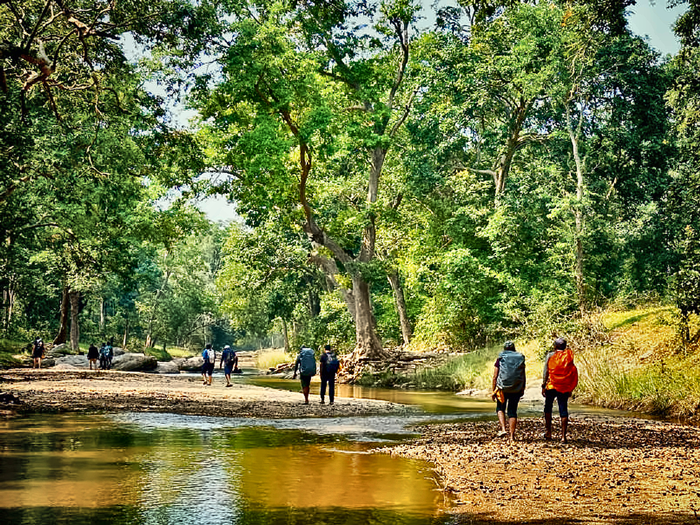
- Free Entry & Educational Tours: Zoos and national parks often host open-house days, nature trails, and bird walks for students.
- Workshops and Competitions: Nationwide photography contests, essay writing, poster making, and street plays (Nukkad Nataks) and film shows on the wildlife focusing on local biodiversity.
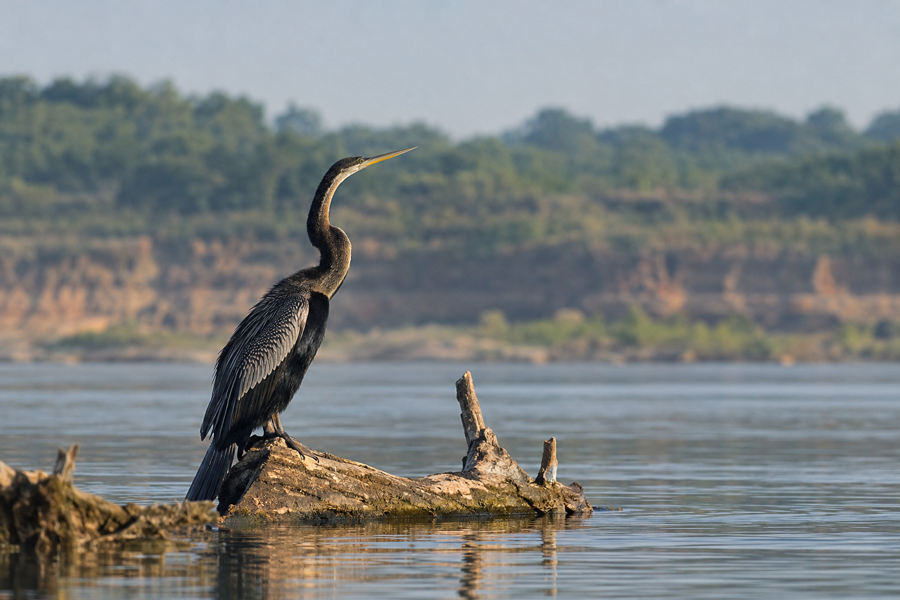
- Citizen Science Drives: Community-led tree planting, rescue drills, and bird-watching counts organized with groups like the Bombay Natural History Society (BNHS) and WWF-India and (WTI) Wildlife Trust of India.
3. Contemporary Priorities & Structural Comparison:
| Milestone / Focus Era | Primary Conservation Focus | Key Outcomes / Interventions |
| 1950s–1960s (Inception) | Raising basic awareness & ending rampant hunting | Formation of the IBWL; declaration of Wildlife Day and Week. |
| 1970s–1980s (Legal Era) | Legal frameworks & protected area creation | Passage of the Wildlife (Protection) Act, 1972; launch of Project Tiger (1973). |
| 2000s–Present (Modern Era) | Human-wildlife coexistence & technological monitoring | Drone monitoring, corridor connectivity, radio telemetry, and community compensation programs |
4. So far how much India has achieved in the field of wildlife conservation?
- As of 2025, the numbers of protected areas in India are as follows:
- National Parks: 107
- Wildlife Sanctuaries: 573
- Tiger Reserves: 58
- Elephant Reserves 33
- Cheetah Project 01 (Kuno Cheetah Reserve in MP)
- Vultures Conservation Projects 8
- Great Indian Bustard 05
- Rhino Conservation Projects 02
- Snake Parks 05
- Biosphere Reserves: 18 (13 recognized by UNESCO)
- Community Reserves 220 managed by local communities.
- Ramsar Wetlands: 99
These figures reflect India’s extensive network developed for the cause of wildlife conservation and their protection of protected areas for wildlife including their habitat protection.
5. New Outlook:
Today, Wildlife Week addresses contemporary challenges like habitat fragmentation, linear infrastructure intrusion, climate change, and human-wildlife conflict. By reinforcing that ecosystems provide critical watershed functions, soil fertility, and disease buffers, the week serves as an annual call for action ensuring India’s mega-biodiversity conservation endures for generations to come.
Source: Forest Department & Google

Author:
Jagdish Chandra
(These are personal opinion of the author)