









NBWL Under Scrutiny: High Approval Rates Raise Concerns Over India’s Protected Areas
India’s apex wildlife body, the National Board for Wildlife (NBWL), has come under serious scrutiny following an analysis that highlights an alarming pattern in project approvals within ecologically sensitive regions.
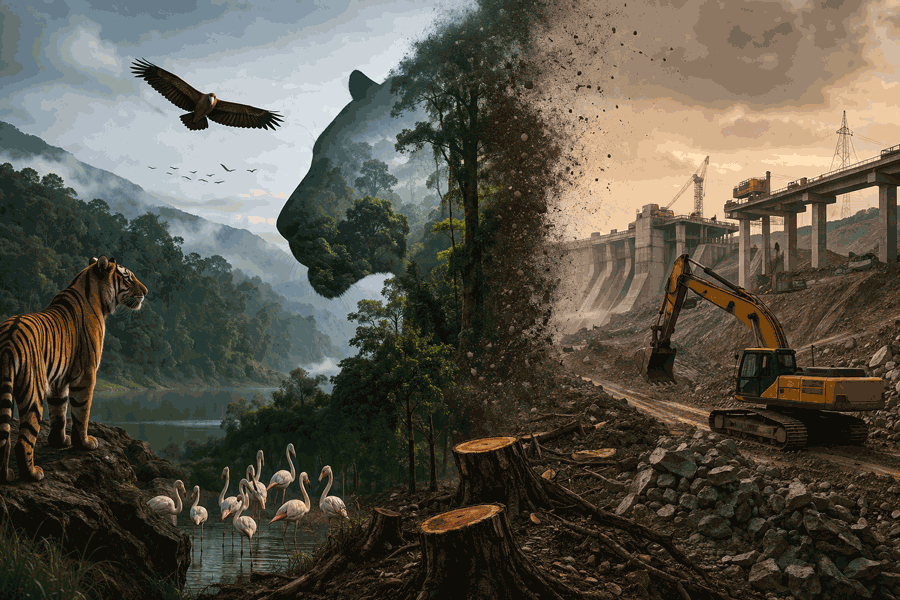
According to the report, the Standing Committee of the NBWL (SC-NBWL) approved nearly 97% of projects placed before it between 2014 and 2026. These projects include infrastructure developments such as highways, mining operations, dams, and commercial establishments in and around Protected Areas, Eco-Sensitive Zones (ESZs), and wildlife corridors.
Out of 2,186 proposals reviewed across 58 meetings, approximately 2,121 were approved, while only a small fraction faced rejection. The pace and volume of approvals—sometimes exceeding 100 proposals in a single meeting—have raised serious concerns among environmental experts about the depth of ecological scrutiny.
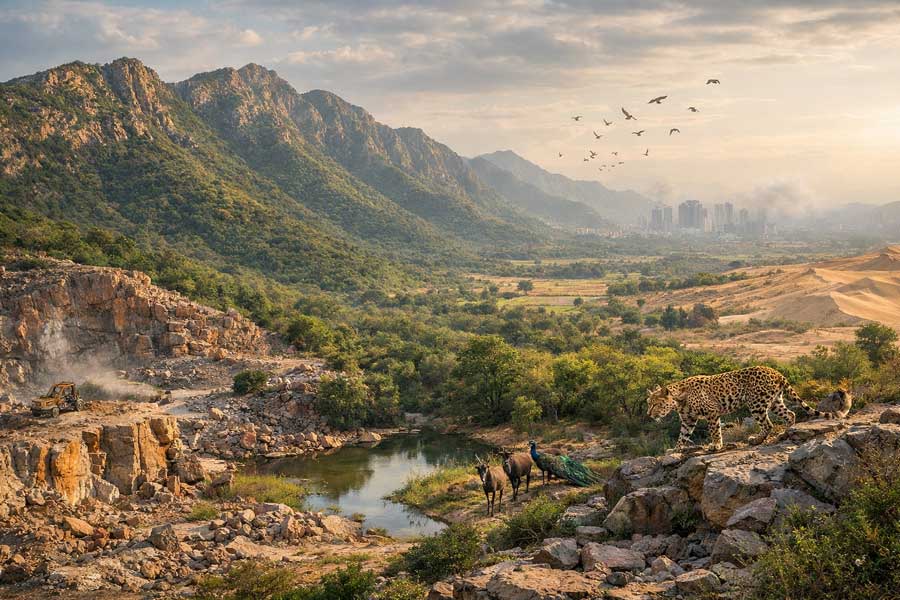
Protected Areas in India cover only about 5.4% of the country’s land, making them critical for biodiversity conservation. Experts warn that such high approval rates, often without comprehensive impact assessments or consideration of cumulative ecological effects, could significantly threaten wildlife habitats and long-term ecological security.
The report also points to systemic issues, including:
- Limited representation of independent ecologists and conservation experts in the committee
- Minimal engagement with local communities and stakeholders
- Increased reliance on expedited and virtual approvals, particularly during the COVID-19 period
- Weak monitoring of mitigation measures imposed on approved projects
Several controversial clearances cited include infrastructure projects in tiger reserves, mining near national parks, and development activities within wildlife sanctuaries. In some cases, Protected Area boundaries have reportedly been altered or reduced to accommodate development.
Environmentalists and civil society groups have raised concerns that the NBWL’s functioning may be undermining its core mandate of wildlife protection, with questions also being raised about compliance with legal frameworks and judicial directives.
As India continues to balance development and conservation, the findings underline the urgent need for stronger safeguards, transparent decision-making, and science-based environmental governance.
Source credit: Article 14