





ABSTRACT: Although a several studies have addressed the tiger conservation or the elephant conservation in India but no research has been conducted on Indian wolf in India on its conservation and role of genetics on their capability to adaptation on the changing habitat. Anthropocentric activities have steadily eaten into the natural habitats of Indian wolves and increased the instances of man-animal conflict. Shrinking animal habitats caused by agriculture, mining, quarrying and developmental activities along the fringes, encroachments and break in corridors along which the animals move, all contribute and heighten the conflicts. State governments have not been trying to mitigate the problem because they are not serious about it. With the changing technologies like artificial Intelligence may be of great help. The habitat loss is a major problem and it requires sustained efforts as humans increasingly encroach into wild habitats. The Indian wolf has lost four-fifths (80%) of its natural prey and habitat to human activity. Unlike the tiger, lion, and elephant, the wolf has no government-sponsored schemes to save it. It does find a mention in Schedule I of the Wildlife Protection Act, giving it the same level of protection as the tiger on paper. Implementation of this law, however, is as elusive as the wolf, they continue to be persecuted by poisoning and smoking of their dens to kill their helpless pups. There has not been a single case where a person has been prosecuted for killing a wolf, which happens more often than the poaching of tigers.
KEY WORDS: Wolf genetics, Ecosystem conservation, woolly wolf, Indian wolf, Wolf population, Genetic diversity, Grassland, Scats,
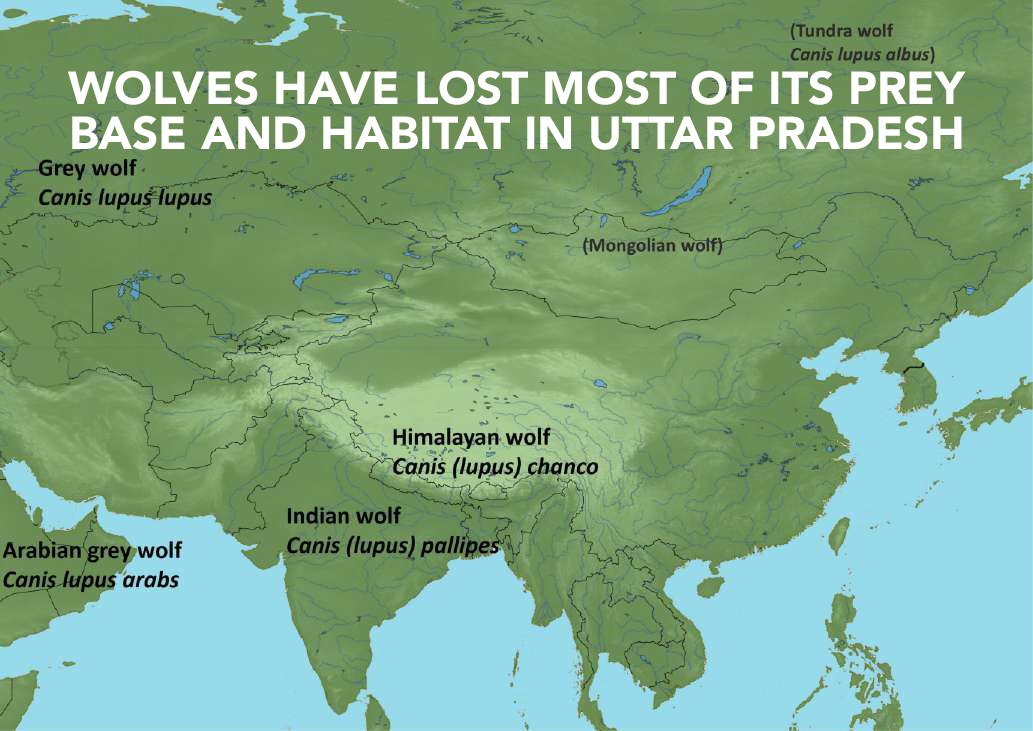
INTRODUCTION AND SPECIES BIOLOGY INDIAN WOLF: Wolves are placed in the family Canidae and the genera Canis includes species of wolves, jackals, and the domestic dog. The taxonomy and phylogeny of the wolves has been variously explained as including a single species C. lupus or at most as two species with the second being C. rufus. Many other taxonomists consider C. rufus to be a subspecies of C. lupus or a modern hybrid of C. lupus and C. latrans, coyotes. At the sub-species level descriptions based on the variations in physical features, behavioural aspects and geographical distribution suggest the presence of up to 32 subspecies of Grey wolf globally, of which 10 extant subspecies are from Eurasia. Two of these subspecies, the Tibetan wolf (Canis lupus chanco) whose range extends from the trans Himalaya into Tibet and China, and the Indian wolf (Canis lupus pallipes) ranging over much of peninsular India inhabit the Indian subcontinent. The front foot has five toes, including a short dewclaw, placed proximal to other four, whereas the hind foot has four toes. The legs are moderately long with digitigrade limb posture; the chest is narrow and keel-like with forelimbs seemingly pressed into chest, and elbows turned inward and paws outward (Young, et al. 1944). Wolves have long legs and powerful leg muscles, which facilitate tireless travel at a usual rate of 8 km per hour and a running gait of 55 to 70 km per hour (Mech, 1970). The extended rostrum provides abundant surface for the olfactory organ, allowing the wolf to detect odours of prey at distances up to 2.4 km under favourable conditions (Mech, 1974). Indian wolves breed in winter, with mating occurring during October – November and is restricted to the dominant pair of the pack. After a courtship that can last from days to months, wolves copulate during an oestrus period of 5 to 7 days. The gestation lasts for 62-63 days and the breeding (alpha) female begins excavating a den 15 days to a month prior to whelping, with occasional assistance from the alpha male. The mother confines herself to the vicinity of the den 5-7 days prior to birth and usually whelp 2 to 6 pups inside the den. Pups are born blind, developing blurred vision by the age of 15 days with most milk teeth are erupting by 3 weeks of age. Weaning takes place at about 5 weeks of age. The female remains near the pups for at least 2 months, while the male and other pack members hunt and feed both the female and the pups. Wolves in wild reach sexual maturity by 18 months of age and may disperse from their natal pack by this age.
STATUS OF INDIAN WOLVES AND THEIR POPULATION: A systematic census of Indian wolves has not been done in India therefore, their population can’t be ascertained as on today with the sane accuracy as the central government is doing in the case of tigers and other big carnivores. Wolves in India have never had the spotlight on them like Bengal tigers, Asiatic lions, Indian elephants, Indian leopards or One-horned rhinoceros. However, wolves are a flagship species for conserving India’s remaining grassland ecosystems. However, the situation of the Indian wolf (Canis lupus pallipes, distinct from the Himalayan or Woolly Wolf, Canis lupus chanco) is dire. The resilient Indian wolf survived the onslaught in parts due to their elusive nature and the absence of any commercial interest in their rather plain hide. And yet, the oldest wolf lineage in the world has conceded a lot of ground not more than an estimated 3,000 survive today in low densities in parts of its erstwhile range in India. Otherwise also the assessment of the low density and elusive species such as Indian wolves is an extremely difficult task but way back in 1982 and 2005 Shahi and Kunkel estimated Indian wolf population to be around 800 individuals (Shahi, 1982 and Kunkel 2005). The study done in the year 2003 by Y.V. Jhala with the better understanding of forest ecology, the estimate was higher and found to be in the range of 2000 and 3000 (Jhala, Y. V. 2003). Currently, IUCN is contemplating a new initiative to formally assess the Indian wolf as a part of red list of threatened species.
The assessment classifies the Indian wolf according to its risk of extinction, such as Endangered or Vulnerable. It also provides a comprehensive review of the current threats, status, and population estimate of Indian wolves in both India and Pakistan. Formally assigning an IUCN Red List category will be a huge stride to shape a conservation policy decision, catalyse conservation actions, and increase public awareness of the Indian wolf. Indian wolves in Pakistan are teetering on the edge of extinction. There are likely just a handful of packs left in Sindh and Punjab, the provinces that are home to Indian wolves. Hindering their conservation is the lack of information on where Indian wolves are still surviving in Pakistan and the lack of public awareness for their conservation. It is the need of the hour to increase awareness and support by local communities, governmental bodies, the broader public in Pakistan to conserve these remaining Indian wolf populations. Their conservation is not necessary for the ecosystem but to the entire mankind because we are threatened in their absence for our survival.
DISTRIBUTION: The Indian wolf (Canis lupus pallipes) is a subspecies of grey wolf inhabiting semi-arid and arid areas. It has a wide distribution range that extends from the Indian subcontinent to Israel. High levels of conflict are reported from human dominated landscapes with incidents of livestock lifting attributed to them. The Indian grey wolf is a crucial apex predator in India’s semi-arid region, but their wide range and elusive behaviour make population estimation challenging. Accurate population estimation is essential for effective management and conservation efforts.
GENETIC DIVERSITY OF INDIAN WOLVES: The genetic status of the living population is summarized in the following Table (1). A simple analysis of the following table tells us a different story. The study on the genetics in the Indian wolves reveals that it has originated from seven founders despite the presence of 18 wild origin specimens in the population. On the basis of the living population of 59 specimens retains only 86.41% of the genetic diversity brought in by the seven founders. This also indicates that genetic diversity is critical for a population to adapt to changing environments. If a highly selected and low diversity strain, like fish populations grown for aquaculture, is introduced into the wild population, it will reduce the population’s ability to adapt to changes. Further, the population has an unequal representation of the FGE with the population retaining the genetic diversity of only 3.68 wild origin individuals. Limitations in record keeping due to inadequate marking of individual specimens are reflected in only 72% of the specimens having proven pedigrees. The population also shows a high level of relatedness between individuals as is indicated by the value of population mean kinship. Mean kinship is the average relationship of an animal with the entire population. The mean kinship is a reference value for what an animal can contribute to the inbreeding in the future of the breed. Animals with a low mean kinship are genetically important and are advised to use them for breeding to keep inbreeding low. Animals with a higher mean kinship have already left their DNA footprint in the breed. The presence of limited number of reproductively active specimens in the captive population is reflected in the low value of Ne/N (Wildlife Institute of India, 2017).
TABLE 1: GENETIC SUMMARY
| Genetic parameters | Current |
| Founders | 7 |
| Living Animals | 59 Percent |
| Ancestry Known | 72% |
| Gene Diversity (GD) | 0.8641 |
| Founder Genome Equivalents (FGE) | 3.68 Mean |
| Inbreeding (F) | 0.0374 |
| Population mean kinship (Mk) | Ne/N 0.1823 |
LOSS OF HABITAT IN UTTAR PRADESH
In the Hardi region of Uttar Pradesh’s Bahraich, a cluster of around 30 villages has witnessed a spate of wolf attacks since March, resulting in nine deaths, including eight children, and multiple injuries. The crisis seems to stem from habitat disruption caused by the swollen Ghaghara river, pushing wolves towards human settlements. The Ghaghara River in Uttar Pradesh floods annually, causing loss of life and land. Floods in Uttar Pradesh are common during the monsoon season. Today, the Uttar Pradesh Forest department does not have any study on ecology of the wolf habitat in any form nor we know their genome and its relationship with their adaptation. It may sound trivial, but this remains a truth that Uttar Pradesh forest department has not invested any money on forest biology and most importantly on the ecology projects and this resulted in far-reaching consequences. Most of all, it has been having an of tover looked detrimental effect on scientists’ efforts to study the state’s ecology. This has acquired a national proposition across the forest departments in the country to the extent that scientists first brought up their concerns on paper in 2006. In an article in the journal Current Science, 14 experts from institutes including the Salim Ali Centre for Ornithology and Natural History, Coimbatore, and the Nature Conservation Foundation, the Indian Institute of Science (IISc) and the National Centre for Biological Sciences (NCBS), all in Bengaluru, wrote about a “disturbing trend across India where scientists are increasingly denied access to wildlife reserves for scientific research or are seriously impeded, without scope for redress. The situation is unchanged even today. This has been seen that wildlife and conservation biologists across the world were developing sophisticated long-term research projects in ecology, Indian biologists are left behind and the ultimate loss is ours.
FOOD PREFERENCE OF INDIAN WOLF:
A study was carried out on Comparative Ecological Perspectives of Two Ancient Lineages of Gray Wolves: Woolly Wolf (Canis lupus chanco) and Indian Wolf (Canis lupus pallipes) is very interesting. This study shows that the diet of Indian wolves from Rajasthan, Bihar and Maharashtra revealed 17 different prey items from 6,877 scats with 982.42 (± 1363.67 SD) scats per study. The relative frequency of occurrences (RO) in scats for wild prey, domestic prey and vegetative matter was found 49.32, 40.34, and 9.31%, respectively. The Indian wolf diet primarily consisted of 67.95% of medium-sized prey followed by small (13.65%) and largesized prey (7.15%). 75% of food items consisted of blackbuck, goat, sheep and hare in the Indian wolf diet with the major contribution of livestock. The home range of woolly and Indian wolf was also studied with particular to their core area sizes of both the lineages to compare the space use. The Woolly wolf home range was significantly larger (1689.80 km2, range 827.54-3055.45 km2) than the Indian wolf home range (212.26 km2, range 4.92-981.48 km2) based on 95% movement characteristic perspective. The core area (50% MCP) for the Woolly wolf was also larger (352.71 km2, range 273.18-477.51 km2) than that of the Indian wolf (20.37 km2, range 0.53-51.05 km2) (Shaheer Khan etal. 2022). Wolves can survive on 1.134 kg to 1.67 kg pounds of meat daily, but they require 2.6 kg to 3.17kg pounds per day for successful reproduction. Yet wolves typically do not eat every day. Instead, they live a feast-or-famine lifestyle. They can go days or even weeks without eating-and after successfully hunting a large ungulate, a wolf can consume up to 9.07kg of meat in a single meal. Having a field experience of over three decades in forestry and wildlife I am sure that the population of blackbuck and hare has declined substantially. This has also been confirmed by the forest officers who led the “operation wolf” or ‘Operation Bhediya’ in the year 1996. The population of goats and sheep has also been regulated by the villagers keeping their commercial interest in mind. The habitat has of Indian wolves has also declined over the period of time and in a study conducted by Dehradun-based Wildlife Institute of India reveals that grassland in Uttar Pradesh has declined reduced from 418 sq. km (in 1985) to 178 sq. km (in 2015), a 57% decrease in the total pasture land of these states. The new agricultural land has also been taken up under the different agricultural schemes in Uttar Pradesh therefore, gross cropped area (GCA) has increased from 25 million ha (mha) to about 26 million ha between 2002-03 and 2014-15. Gross irrigated area has also increased from 17.9 mha to 20.5 mha during the same period. With an increase in area under irrigation, cropping intensity increased from 150 to 157% in this period. The exact figure is not available as to how much grassland has been converted for agricultural production but this may have resulted in the loss of wolf’s habitat. Similarly, the goat and sheep rearing has also yielded more towards their income therefore, they were more protected than before and not available for the wolves as prey. This is amply demonstrated in the Situation Assessment Survey (SAS) where the share of income from cultivation and farming of animals has increased in UP from 54.4% in 2002-03 to 69% in 2012-13 while the share of receipts from non-farm business and wages has decreased in the same period (Gulati. Ashok 2021). The survival of the Indian wolf depends on an unlikely ally: nomadic pastoralist communities who graze native sheep and goats in these grasslands. These are the main prey for the wolves, and in many pastoralist communities, such as the Dhangar of Maharashtra, the wolf is worshipped and not begrudged the occasional lamb. But this relationship is not always so rosy. In many other parts of the country, wolves are regularly persecuted by agro-pastoralists, their dens blocked with rocks and pups killed. However, the future of wolves, blackbuck, and that of the pastoralists and their stock is deeply intertwined with the fate of their habitats. Only by granting the savanna grasslands of India their legitimacy as a natural habitat, and recognising the deep and intricate dependencies between the human and non-human denizens of these vast open landscapes, do we have a chance of saving the wolves. Therefore, this may be said that Indian wolves are cornered from all sides and fighting a lost battle unless government takes up their conservation plan on the basis of Tiger Project, let us not forget that each one of them is equally important in an ecosystem and survival of one animal is linked with the other.
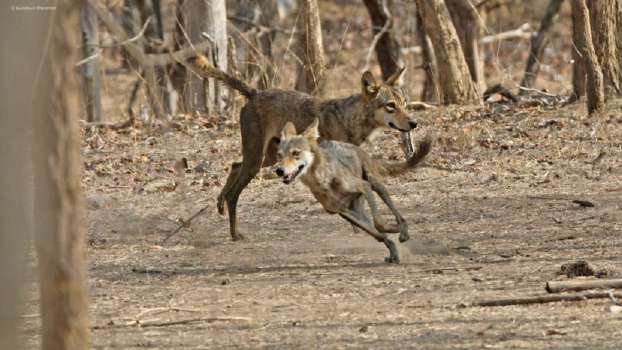
PATTERN OF KILLING: For decades, these wolves have been seen to be on prowl in the region. The recently swelling Ghahghara river surging in the nearby forest has disrupted their original habitat. When they move out of their habitat to look for food, they come closer to human settlements. There is a history of child lifting by the wolves. Year 1996 saw the biggest-ever wolf attack in UP that led deaths of 42 children in Jaunpur. This was followed by a few incidents from Rae Bareli in 2000 and Gonda and Balrampur in 2003. Bahraich, with Ghaghara river flowing on one side and forests on the other, has been a wolf habitat for centuries, but never saw any wolf attack in last two decades. Wolves usually stay away from people. The global study conducted by the Norwegian Institute for Nature Research between 2002-2020 (Linnell et al., 2021) says the risk of such attacks by the wild animal is “above zero, but far too low to calculate”. During this period, 26 deadly wolf attacks were reported on humans across the world, with four taking place in India. Wolves normally do not attack people. Wherever there is a high density of wolves in India, there has been no record of them killing people or children. It is only in areas where there is extreme poverty where children are not looked after properly, there is no prey and livestock are guarded more than children, that wolves attack children. Even dogs will. Any predator would, as they have to survive. The number of human fatalities caused by wolf and tiger attacks was similar in the second half of the 19th Century. In 1875, wolves killed 1,018 people and tigers 828 in north India. Records available since the 1990s show that major killing sprees began in or around March when Indian wolf pups are weaned from milk and the pack must hunt to feed them meat.
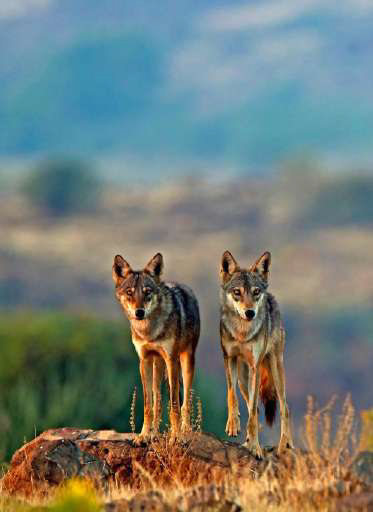
DISCUSSION: The wolf has a wide range of prey. It preys on rodents (Tatera indica and Meriones hurriane), hare (Lapus nigricollis), blackbuck (Antelope cervicapra), chinkara (Gazella gazella), nilgai (Boselophus tragocamelus), birds, grasshoppers, other insects, pods of Prosopisjuliflora and fruits of Zizyphus sp. This indicates that the wolf has in fact a wide variety of prey choices available in nature. Today, this prey base is either totally missing or are inadequate from the districts of Uttar Pradesh where the child lifting by the Indian wolves are reported. Wolves in this human altered landscape of UP subsist entirely by preying on goats and sheep and scavenging dead cattle. In a poor country as ours, livestock is a valuable asset and attrition cannot be withstood, so people are extremely vigilant. This makes it difficult for wolves to kill goats and sheep. Unfortunately, children are entirely another matter: high population density, poverty, poor housing, poor sanitation facilities, and lack of parental care make children vulnerable. A predator instinctively exploits this weakness of the human condition. For any predatory animal, humans are not above all other creation, rather we can be something to eat in a situation of constant starvation. Compounding this is the rearing of wolf pups or wolf-dog hybrids as pets by some. These pets are usually abandoned when they lose their cuteness, and become free ranging animals, left to fend for themselves with poor hunting skills and no fear of humans. What this adds up to is evident now. Loss of life is unacceptable to society and the concerned animal or animals in Bahraich need to be removed by all means possible. But let not the wrath of society be borne by the entire wolf population of UP and India as is currently being portrayed in the media. Road accidents amount to over 2,50,000 human deaths in India – yet we do not advocate stopping motor vehicles from plying on our roads. This single incident should not undermine our admiration and support for the conservation of the wolf in India. It is very much a part of our ancient natural heritage. The nights of Indian landscape will not be the same without the howl of the wolf. Due to our short-sighted vision and misguided half-truths, let not our great grand-children curse us for having taken way this privilege of theirs to see, hear, and cherish. Indian wolves are not only fighting their habitat and prey loss but climate change has also made their life difficult. Different Biogeographic provinces and environmental factors are known to influence the dispersibility of long-ranging carnivores over the landscape. However, lack of empirical data on long-ranging carnivores leads us to reach a poor conclusion therefore, research is extremely important in the area of population ecology of these animals. However, the actual population estimates are available only for Gujarat, Karnataka, Rajasthan and Bihar for the Indian wolf. Whereas, its distribution, population and habitat ecology are poorly known from the eastern region. Hence, a study was carried out to evaluate the habitat suitability along with landscape connectivity for the species over the two major biogeographic provinces of India, i.e., Lower Gangetic Plains and Chhota Nagpur Plateau. The results indicated that out of the total area (14,476.61 Km2) under PA network, only 1,332 Km2 area was found to be suitable, suggesting that most of the suitable areas of the species were outside the PA areas of the landscape, which is one of the vital reasons for increasing human-wolf conflict. The wolf thrives well in Non-PA areas with relatively poor natural prey base. Moreover, previously it has been documented that the wolf population in Gujarat and Rajasthan states of India are surviving on livestock because of poor availability of wild prey species. Diseases such as canine distemper virus is one of the many problems that this enigmatic predator of the Indian savannas faces. This puts them in the same category of endangerment as tigers. Habitat loss is a primary threat to this species. No wildlife sanctuary is dedicated to the preservation of the Indian wolf, and a recent study shows that less than 5% of open natural ecosystems in the country are protected. The wolf, unlike the tiger, is not a creature of forests. It requires vast areas, and manages to live in the interstices of agricultural spaces that are left fallow by farmers dependent on rainfall as their only source of irrigation. In the present scenario based on the interviewed experienced forest officers the population of wolves is on decrease due to retaliatory killings, illegal hunting, and habitat degradation (Lalit Kumar Sharma etal. 2019). Some experts also believe the crossbreeding of dogs and wolves could have made the wild animals comfortable in human spaces. The Indian wolf’s unique genetic signature is under attack from another unlikely source: its own domesticated brethren. The population of free-ranging domestic dogs has exploded in rural India. As the wolf’s habitat becomes fragmented, there are more opportunities for dogs to come into contact with wolves. Wolves and dogs have an uneasy love-hate relationship. A solitary dog is likely to be chased away by a pack of wolves, and vice versa. However, if wolf populations are low, and a wolf is unable to find a partner, then it may also mate with a dog, resulting in wolf-dog hybrids. This genetic dilution of wild genes may eventually result in an evolutionary disadvantage for the wolf, robbing it of its ability to hunt prey and remain wild. Dogs can also pass on something deadlier to wolves. Diseases such as canine distemper, canine parvovirus and rabies could easily spread to wolf packs. This is likely to have happened to the pack that was seen near Pune. The abandoned wolf-dog hybrids may turn into “maneaters” as they would have lost the fear of people as pets. The theory of revenge is also being floated amid the Bahraich attacks. Some of the senior foresters recalled some instances of wolf attacks in Uttar Pradesh in the mid-1990s and 2003 which were related with revenge attacks by the wolves. In both instances, wolves preyed on children after coming under attack by farmers, a litter of wolf cubs were killed once and the second time their habitat was destroyed but none of their hypothesis are supported by any scientific reports or research.
CONCLUSION: There is an urgent need to understand the behaviour and the number of Indian wolves operating in an ecosystem and here comes the role of the wildlife biologists who may use safe, humane traps to catch wild wolves. Once caught, the wolves are anesthetized. While the wolves sleep, they are fitted with radio collars. Each collar has a transmitter, which sends out a unique frequency. The radio collar of each wolf broadcasts a unique frequency and the biologists use antennas and receivers to tune in to those frequencies and use the strength of the signal to pinpoint the wolf’s location. Other transmitting tags that are frequently used in animal tracking are GPS tags. These tags have their own global positioning system (GPS) inside the tag. The GPS receives signals from multiple orbiting satellites to determine a location. Most smart phones are equipped with similar GPS technology, which the device can use for navigation purposes. If Indian wolf populations are to be conserved, the standard toolbox of conservation interventions in India is set to fail. This is because Indian grey wolves and Open Natural Ecosystems (ONES) both, do not conform to what India’s conservation paradigm revolves around: forested habitats, protected areas, and the forest department. This is a species whose diet is mostly livestock and its continued presence relies heavily on coexistence with people-especially pastoralist communities. Further, it uses mixed landscapes, almost entirely outside protected areas or reserve forests, which are all outside the forest bureaucracy’s jurisdiction and strongly shaped by socio-economic development goals. Several studies have shown that the long-term survival of large vertebrates is achieved by both protecting source populations and providing dispersal opportunities between suitable patches. Ecological corridors can help them connect local populations, allowing individuals free dispersal between populations. Wolf dispersal may help it grow better in future. Unfortunately, Uttar Pradesh has no policy with regard to wolf conservation and forest bureaucracy handles the crisis management as this surface in due course of time. There is an urgent need to develop wolf corridors between the two similar habitats as the animals use a wide variety of mechanisms to select suitable habitat and being aware of habitat use details is important for corridor design. Connectivity analysis is particularly important for wolves because this allows them to know this animal can move through the existing habitat. The mananimal conflict may go on like what the world is witnessing today in Uttar Pradesh unless we focus our attention on the ecosystem conservation based on the research inputs.
REFERENCES:
Young, S. P., Goldman, E. A. (1944). The Wolves of North America. 2. Dover Publications, New York. pp. 413-477 Mech, L.D. and Boitani, L. (IUCN SSC Wolf Specialist Group). (2010). Canis lupus. The IUCN Red List of Threatened Species 2010: e.T3746A10049204. Downloaded on 16 September 2017 Shahi, S. P. (1982). Report of grey wolf (Canis lupus pallipes Sykes) in India-a preliminary survey. J. Bombay Nat. Hist. Soc. 79, 493-502. Kunkel, K., Mack, C. M., and Melquist, W. E. (2005). An Assessment of Current Methods for Surveying and Monitoring Wolves. Idaho: Nez Perce Tribe. Jhala, Y. V. (2003). Status, ecology and conservation of the Indian Wolf (Canis lupus pallipes Sykes). J. Bombay Nat. Hist. Soc. 100, 293-307. Shailesh kumar Desai, Chiragbala M Gosai, Gyaneshwer Chaubey; Preliminary Status, and distribution of Indian grey wolf (Canis lupus pallipes) in the Bhal region of Gujarat, International Journal of Ecology and Environmental Sciences, Vol 49, No 6 (2023) National studbook Indian wolf (Canis lupus pallipes) Component of Central Zoo Authority sponsored project titled “Maintenance of Studbooks for Selected Endangered Species in Indian Zoos”, Wildlife Institute of India ,2017 Shaheer Khan, Shivam Shrotriya, Sougata Sadhukhan, Salvador Lyngdoh, Surendra P. Goyal, Bilal Habib;
Conservation of Woolly Wolf: Adaptation, Ecology, Evolution, and Genetics; Front. Ecol. Evol., Volume 10, 2022 Gulati, Ashok, Terway, Prerna & Hussain, Siraj. (2021). Performance of Agriculture in Uttar Pradesh. 10.1007/978-981-15-9335-2-7. Lalit Kumar Sharma etal. Identifying suitable habitat and corridors for Indian Grey Wolf (Canis lupus pallipes) in Chotta Nagpur Plateau and Lower Gangetic Planes: A species with differential management needs.; PLoS One. 2019; 14(4): e0215019 Linnell, John D.C., Kovtun, E., Rouart, 1. (2021). Wolf attacks on humans: an update for 20022020. Norwegian Institute for Nature Research,
https://hdl.handle.net/11250/2729772. Madhusudan, M., et. al. (2006).
Science in the wilderness: the predicament of scientific research in India’s wildlife reserves. Current science. 91. I am also indebted to Sri BC Tiwari, IFS and Sri VK Singh IFS for their valuable inputs based on their personal experience during Operation Wolves during 1996-97. A sincere thanks to them.

Retd. IFS
Retd as PCCF UP,
Presently working as
Director at Van Shakti
NGO H.Q. Lucknow, North India